Functional & Regenerative (Cosmetic) Aesthetic Gynaecology
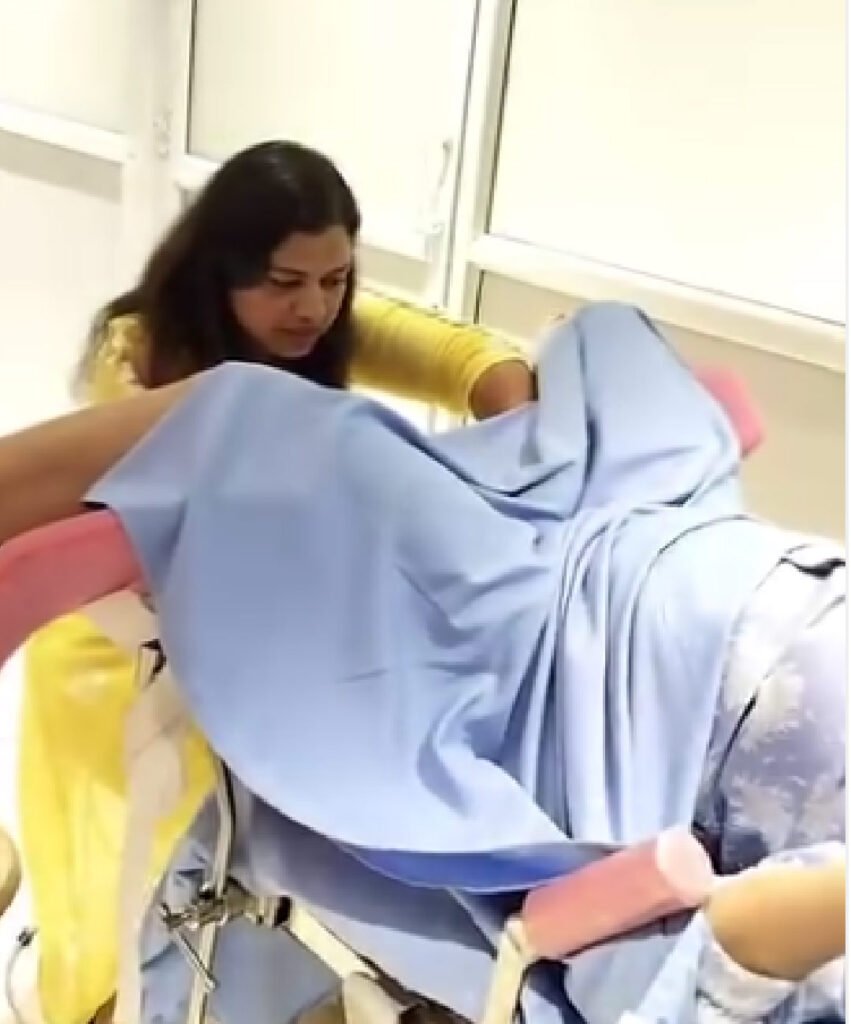
Functional and regenerative aesthetic gynaecology focuses on improving women’s intimate health, comfort, and quality of life using modern non-surgical treatments. These advanced therapies help manage conditions related to pelvic health, hormonal changes, and post-childbirth recovery. Dr. Neelam Singla provides safe and effective treatments designed to restore function and improve overall well-being. The goal is to address common concerns while ensuring patient comfort, privacy, and long-term health benefits.
Non-Surgical Treatment with Advanced Technology
Modern technology allows many gynaecological concerns to be treated without surgery. These treatments are minimally invasive and designed to improve pelvic health and intimate wellness. They are safe, effective, and usually require little to no recovery time.
Non-Surgical Urinary Incontinence Treatment
Urinary incontinence refers to the involuntary leakage of urine, which can affect daily activities and confidence. Non-surgical treatments help strengthen pelvic muscles and improve bladder control. Proper evaluation helps determine the most suitable treatment approach.
Vaginal Atrophy Management
Vaginal atrophy occurs when vaginal tissues become thin and dry, often due to hormonal changes. It may cause discomfort, irritation, or pain during daily activities. Treatment focuses on restoring tissue health and improving comfort.
Pelvic Floor Strengthening
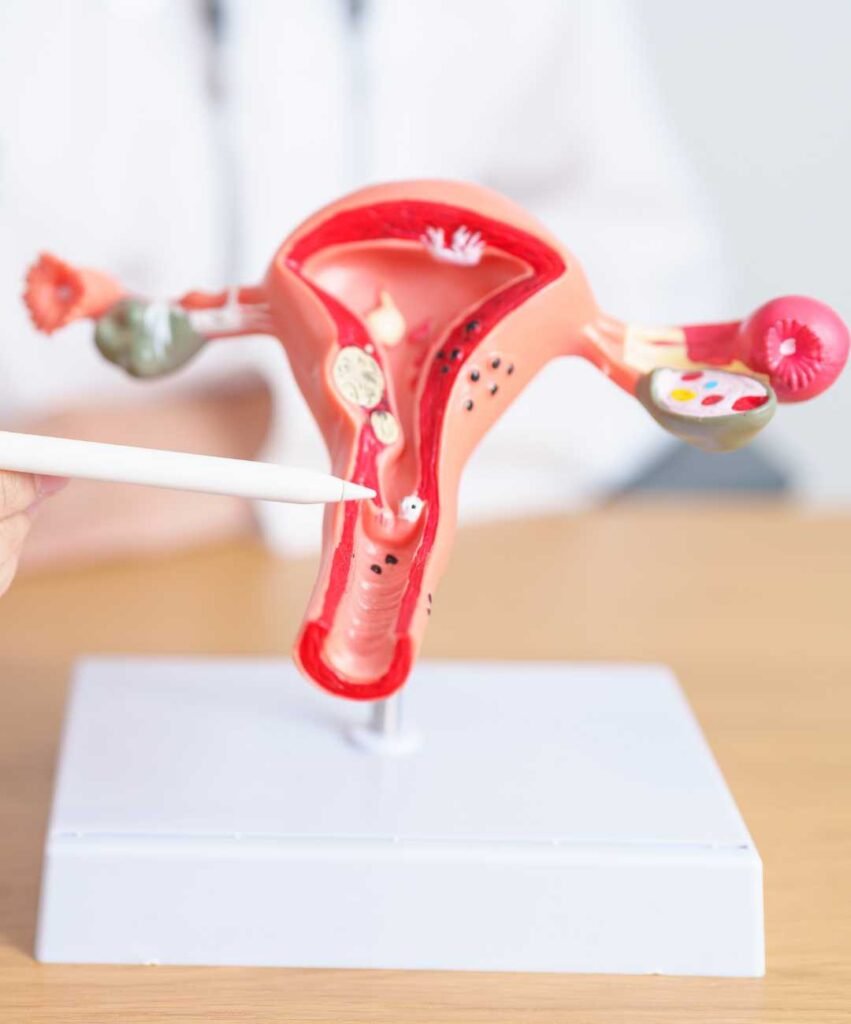
Pelvic floor muscles support the bladder, uterus, and bowel. Weak pelvic muscles may lead to incontinence or pelvic discomfort. Strengthening therapies help improve muscle function and support overall pelvic health.
Fecal Incontinence
Fecal incontinence is the inability to control bowel movements, which can cause unexpected leakage. It may occur due to weakened pelvic muscles or nerve damage. Treatment focuses on strengthening muscles and improving bowel control.
Stress Incontinence
Stress urinary incontinence occurs when urine leaks during activities like coughing, sneezing, laughing, or exercising. It is often caused by weakened pelvic floor muscles. Treatment helps improve muscle strength and bladder control.
Urge Urinary Incontinence
Urge incontinence involves a sudden and intense urge to urinate followed by involuntary leakage. It may occur due to bladder muscle overactivity. Proper diagnosis helps manage the condition through targeted treatment.
Nocturia
Nocturia refers to frequent urination during the night, which can disrupt sleep and affect daily life. It may be linked to bladder issues or other health conditions. Medical evaluation helps determine the underlying cause.
Post-Childbirth Regeneration
Childbirth can cause changes in pelvic muscles and vaginal tissues. Regenerative treatments help restore strength, elasticity, and function after delivery. These therapies support recovery and improve overall pelvic health.
Diastasis Recti
Diastasis recti occurs when abdominal muscles separate, often after pregnancy. This condition can lead to abdominal weakness and posture problems. Treatment focuses on strengthening the core muscles and supporting recovery.
Back Pain Management
Pelvic and abdominal muscle weakness after pregnancy can contribute to lower back pain. Proper strengthening and regenerative therapies help improve posture and reduce discomfort. Treatment supports overall musculoskeletal balance.
Erectile Dysfunction Support
Certain regenerative therapies may also support male partners experiencing erectile dysfunction. These treatments aim to improve blood flow and tissue function. They may be used as supportive therapy alongside other medical treatments.
Vaginal PRP
Vaginal PRP (Platelet-Rich Plasma) therapy uses the body’s natural growth factors to support tissue regeneration and healing. The procedure helps improve vaginal health, sensitivity, and tissue quality. It is a minimally invasive treatment used in regenerative gynaecology.